

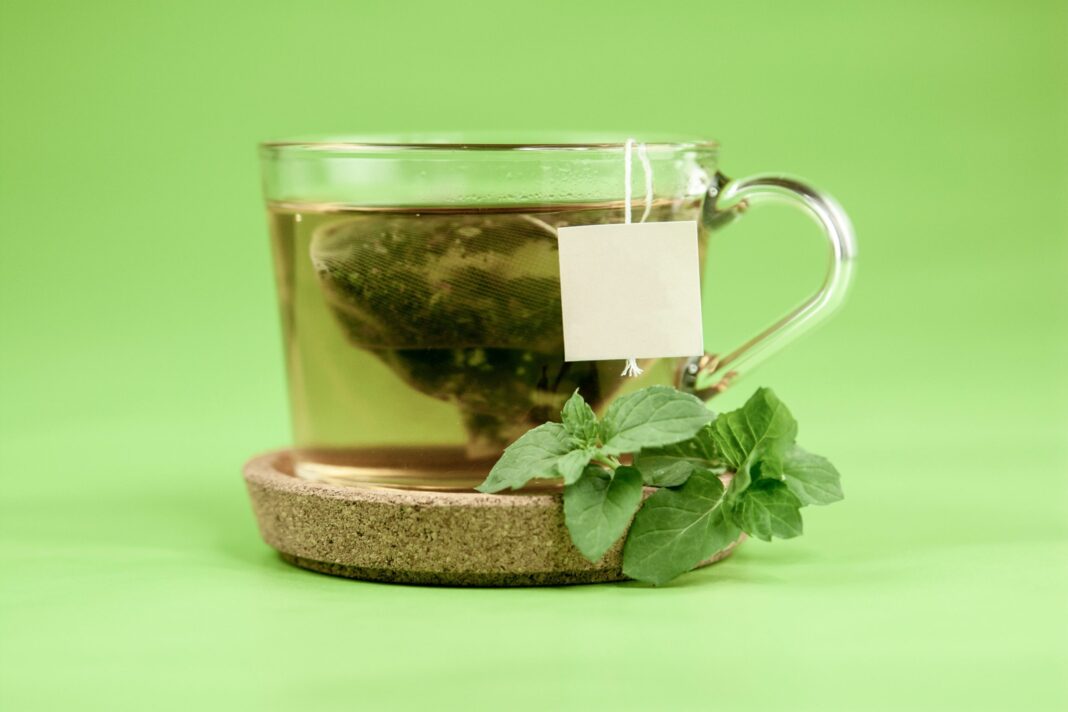
The Benefits of Green Tea are among the most extensively studied of any beverage, although headlines often overstate the findings. Its antioxidant activity is real, its potential heart and brain benefits are well-supported, and its effects on blood sugar regulation may be meaningful. Claims about cancer prevention, rapid fat burning, and detoxification are far more complicated and frequently exaggerated.
This guide is structured by evidence tier – what research actually supports, what shows promise but needs more study, and what’s mostly marketing. If you’re going to drink it, drink it knowing what it does and what it doesn’t.
What Makes Green Tea Different from Other Teas?
All tea – green, black, white, oolong – comes from the same plant: Camellia sinensis. The difference is processing. Green tea leaves are quickly steamed or pan-fired after harvesting, which stops oxidation and preserves a higher concentration of natural compounds, particularly catechins.
| Key Compound | What It Is | Why It Matters |
|---|---|---|
| EGCG (Epigallocatechin gallate) | The most abundant and studied catechin in green tea | Primary antioxidant driver; linked to most of green tea’s health research |
| L-theanine | A unique amino acid found almost exclusively in tea | Promotes calm alertness; modifies caffeine’s effects; reduces anxiety without sedation |
| Caffeine | ~25-50mg per 8oz cup (less than coffee) | Energy and focus; works synergistically with L-theanine |
| Other catechins (EGC, ECG, EC) | Additional polyphenol antioxidants | Collectively contribute to antioxidant and anti-inflammatory effects |
| Chlorophyll | Green pigment – higher in shade-grown teas like matcha | Antioxidant activity; minor role compared to catechins |
The Proven Benefits – Strong Evidence
1. Rich in Antioxidants That Reduce Cellular Damage
EGCG is one of the most potent antioxidants found in food and beverages. Antioxidants neutralize free radicals – unstable molecules that damage cells and contribute to aging and disease. Green tea consistently outperforms other common antioxidant sources, including vitamins C and E, in laboratory comparisons.
This is foundational to most of green tea’s other benefits – many downstream effects trace back to reduced oxidative stress.
2. Heart Health – LDL Reduction and Blood Pressure
This is one of the most robustly studied areas. Multiple large population studies – particularly from Japan, where green tea consumption is highest – show consistent associations between regular green tea consumption and lower rates of cardiovascular disease.
- A meta-analysis of 14 studies found green tea consumption was associated with lower LDL (‘bad’) cholesterol.
- A separate review of controlled trials found meaningful reductions in systolic blood pressure with regular consumption.
- One large Japanese cohort study (40,000+ participants, 11 years) found those who drank 5+ cups/day had significantly lower risk of cardiovascular death.
The mechanism is well-understood: EGCG inhibits LDL oxidation (oxidized LDL is the form that contributes to arterial plaque), and catechins appear to improve endothelial function – the lining of blood vessels.
3. Brain Function – The L-Theanine + Caffeine Combination
This may be the most immediately noticeable benefit for most people. L-theanine and caffeine together produce a distinct cognitive state that neither delivers alone.
- Caffeine alone: increased alertness but often with jitteriness, anxiety, and the characteristic caffeine ‘crash’.
- L-theanine alone: calm, mildly relaxed – but not energized.
- Together: research consistently shows improved attention, reaction time, memory, and cognitive performance – with significantly less anxiety than caffeine alone.
Multiple controlled studies have documented this synergy, and it’s why many people describe green tea’s energy as ‘cleaner’ than coffee’s. The effect is most pronounced in the 2-4 hours after drinking.
4. Blood Sugar Regulation
Green tea improves insulin sensitivity and appears to slow the absorption of glucose from the digestive tract. Studies in people with type 2 diabetes and in healthy populations both show improvements in fasting blood sugar and insulin response with regular consumption.
Drinking green tea with meals (rather than between meals) appears to blunt post-meal blood sugar spikes more effectively than other timing.
The ‘It Helps, But Don’t Overclaim It’ Benefits – Moderate Evidence
Weight Management
Green tea does have a mild thermogenic effect – it slightly increases calorie burning, primarily through the combination of caffeine and EGCG acting on fat oxidation pathways. Studies show this amounts to roughly 75-100 additional calories burned per day in some participants.
That’s real – but modest. Green tea is not a weight loss solution on its own. The effect is small enough that dietary and exercise changes will always dominate. Don’t buy green tea extract supplements promising dramatic fat loss; the evidence doesn’t support that framing.
Liver Health
Several studies have found associations between green tea consumption and lower rates of non-alcoholic fatty liver disease and liver enzyme abnormalities. The antioxidant and anti-inflammatory activity of EGCG appears to have a protective effect on liver cells.
However – a critical nuance – very high doses of green tea extract (supplements, not regular tea) have been associated with rare but serious liver toxicity cases. Drinking tea is safe; megadosing concentrated extract supplements carries real risk.
Anti-Inflammatory Effects
Chronic low-grade inflammation underlies most major chronic diseases. Green tea catechins, particularly EGCG, have demonstrated anti-inflammatory activity in multiple studies – reducing inflammatory markers like CRP and IL-6. This likely contributes to the heart and metabolic benefits, but the anti-inflammatory effect itself is more of a mechanism than a standalone clinical benefit.
The Overhyped Claims – Weak or Misleading Evidence
Cancer Prevention
This is the biggest area of overclaiming. EGCG does show anti-cancer properties in laboratory and animal studies – it inhibits tumor growth, promotes apoptosis (programmed cancer cell death), and reduces angiogenesis (the blood supply tumors need).
The problem: lab results almost never translate directly to human cancer prevention. Human studies show inconsistent results depending on cancer type, population, and methodology. Some associations exist for certain cancers, but no clinical trial has established green tea as a proven cancer prevention strategy for humans. Drink it for other benefits. Don’t rely on it as cancer protection.
Detoxing
The body detoxifies continuously through the liver and kidneys – no beverage assists or accelerates this process in a meaningful way. Green tea’s antioxidant properties support liver function at the margins, but the detox framing is marketing language, not biology.
Green Tea Benefits – Evidence Summary
| Benefit | Evidence Tier | Verdict |
|---|---|---|
| Antioxidant activity (cellular protection) | Proven – Very Strong | Drink it for this confidently |
| Heart health (LDL, blood pressure, CVD risk) | Proven – Strong | One of the most evidence-backed beverage benefits |
| Cognitive function (L-theanine + caffeine) | Proven – Strong | Noticeable, well-documented, consistent |
| Blood sugar regulation | Proven – Strong | Meaningful, especially with meals |
| Weight management (modest thermogenic) | Moderate | Real but minor; not a weight loss solution |
| Liver health | Moderate | Promising; avoid high-dose extracts |
| Anti-inflammatory effects | Moderate | More mechanism than standalone benefit |
| Cancer prevention (human clinical) | Weak / Inconsistent | Lab evidence strong; human trials inconsistent |
| Alzheimer’s / dementia prevention | Weak / Early | Some animal data; no proven human prevention strategy |
| Detoxification | No credible evidence | Marketing language; not supported by biology |
Green Tea vs. Matcha vs. Supplements
| Form | EGCG Content | Caffeine | L-Theanine | Best For |
|---|---|---|---|---|
| Brewed green tea | ~100-200mg per cup | ~25-50mg | ~20-30mg | Daily consumption; well-tolerated and balanced |
| Matcha (1 tsp powder) | ~200-400mg per serving | ~60-80mg | ~40-60mg | Higher dose of all compounds; more potent cognitive effect |
| Green tea extract supplement | ~400-800mg+ per capsule | Varies | Varies | Concentrated – liver risk at high doses; not recommended long-term without guidance |
| Bottled green tea drinks | Low (~20-50mg) | Varies | Low | Convenience; significantly lower benefit than brewed |
Who Should Be Careful with Green Tea
- Pregnancy: Caffeine and EGCG may affect folic acid absorption and iron levels. Most guidelines recommend limiting caffeine to under 200mg/day; stick to 1-2 cups maximum.
- Iron deficiency or anemia: Catechins bind to iron and reduce absorption. Drink green tea between meals – not with iron-rich foods or iron supplements.
- Blood thinners (warfarin): Green tea has mild vitamin K content; very high consumption can interact with anticoagulant medication.
- Anxiety disorders: Despite L-theanine’s calming effect, caffeine content may worsen anxiety in sensitive individuals.
- Liver conditions: Avoid high-dose green tea extract supplements; stick to brewed tea.
Best Time to Drink Green Tea
| Goal | Recommended Timing |
|---|---|
| Cognitive focus and energy | Morning or early afternoon; avoid after 2-3 PM if caffeine-sensitive |
| Blood sugar management | With or just before meals – blunts post-meal glucose spikes |
| Heart health (long-term) | Timing matters less; consistency (2-4 cups daily) is what studies support |
| Iron absorption concerns | Between meals – at least 1 hour before or 2 hours after eating iron-rich foods |
| Sleep protection | No green tea within 4-6 hours of bedtime (caffeine half-life is ~5 hours) |
Optimal amount: 2-4 cups of brewed green tea per day captures most of the documented benefits without exceeding safe caffeine thresholds. More is not necessarily better – and supplement forms carry risks that brewed tea doesn’t.

