

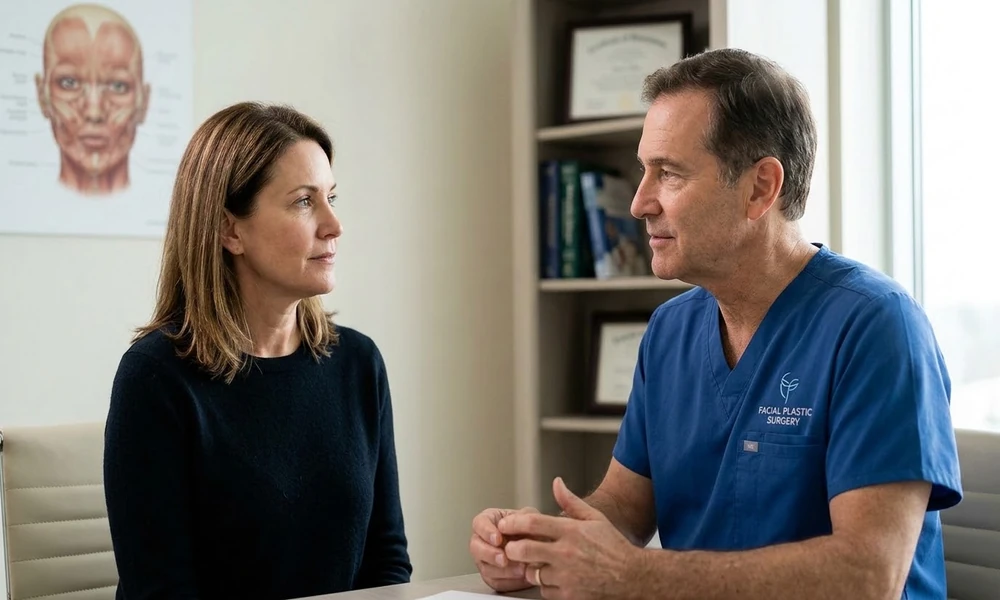
Facial plastic surgery is often linked to appearance, symmetry, and visible signs of aging. Those concerns may be part of the conversation, but a facial plastic surgeon’s evaluation usually goes much deeper.
The face is not just an aesthetic feature. It also plays a role in breathing, speaking, chewing, facial expression, vision protection, nerve function, and overall quality of life.
During a thorough consultation, the surgeon looks at how the face works, how it has changed over time, and what may be contributing to the patient’s concerns. That means reviewing anatomy, medical history, prior injuries, previous procedures, functional symptoms, and personal goals. This broader view helps create a plan that is safer, more realistic, and better suited to the patient’s needs.
Facial Structure and Natural Balance
One of the first things facial plastic surgeons assess is the underlying structure of the face. Skin and soft tissue are visible on the surface, but bone, cartilage, muscles, and fat pads shape both appearance and function.
A concern such as a drooping nasal tip, uneven jawline, or hollow under-eye area may come from deeper support structures, not the skin alone.
Surgeons also look at facial balance. That does not mean every feature needs to be perfectly symmetrical. Natural faces are rarely identical from side to side. The goal is to understand how the forehead, eyes, nose, cheeks, lips, chin, and neck relate to one another. A change in one area can affect how another area is perceived.
This structural evaluation is especially important in reconstructive cases. After trauma, skin cancer removal, congenital differences, or prior surgery, the surgeon may need to restore both appearance and support. North Texas Facial Plastic Surgery is one example of a practice associated with an experienced Dallas facial plastic surgeon and reconstruction, reflecting how facial plastic surgery can involve both cosmetic and restorative care.
Breathing and Nasal Function
The nose is a central facial feature, but it is also part of the airway. When patients seek care for nasal concerns, facial plastic surgeons often ask about breathing, congestion, snoring, sleep quality, allergies, prior injuries, and previous nasal procedures. A nose that looks crooked on the outside may also have internal obstruction.
Common structural issues include a deviated septum, collapsed nasal valves, enlarged turbinates, or scar tissue from past trauma or surgery. These issues can make it harder to breathe through one or both sides of the nose. Some patients do not realize that long-term mouth breathing, dry throat, or poor exercise tolerance may be connected to nasal airflow.
A surgeon may examine both the external shape of the nose and the internal nasal passages. The goal is to determine whether treatment should address appearance, function, or both. In many cases, protecting or improving breathing is just as important as changing the visible shape of the nose.
Injury History and Previous Procedures
Past injuries can leave lasting changes in facial anatomy. A broken nose, cheekbone fracture, jaw injury, sports trauma, car accident, or fall may affect alignment for years. Some patients adapt to these changes and only seek care when symptoms worsen or age-related changes make old injuries more noticeable.
Facial plastic surgeons usually ask detailed questions about when the injury happened, how it was treated, and whether symptoms changed afterward. They may also ask about numbness, scar tightness, facial weakness, jaw clicking, headaches, or changes in vision. These details help show whether the concern is mostly cosmetic or connected to a deeper functional issue.
Previous cosmetic or reconstructive procedures also matter. Scar tissue, altered blood supply, implants, grafts, or removed cartilage can affect future treatment options. A careful review helps the surgeon avoid unnecessary risk and build a realistic plan based on the patient’s current anatomy.
Nerve Function and Facial Movement
The face depends on precise nerve function. Facial nerves control expression, blinking, smiling, speaking, and subtle emotional communication. Sensory nerves also provide feeling to areas such as the cheeks, lips, forehead, and jaw. When these nerves are affected, symptoms may include weakness, twitching, pain, numbness, or asymmetry.
A facial plastic surgeon may evaluate how the eyebrows lift, how the eyelids close, how the mouth moves, and whether both sides of the face respond evenly. These observations can help identify whether a concern is caused by skin laxity, muscle imbalance, nerve injury, or another medical condition.
When symptoms suggest a nerve-related facial condition, coordination with another specialist may be helpful. Haynes Neurosurgery, for example, is associated with brain surgeon care for nerve-related facial conditions. In situations involving facial pain, nerve compression, tumors, trauma, or neurological symptoms, a multidisciplinary approach can help clarify the cause and guide treatment.
Skin Quality, Healing, and Tissue Health
Facial plastic surgeons also pay close attention to skin quality. Thickness, elasticity, sun damage, scarring, pigmentation, and circulation can all affect treatment planning. Two patients may request the same procedure, but differences in skin and tissue health can lead to very different recommendations.
Healing ability is another key part of the evaluation. Surgeons often ask about smoking, diabetes, autoimmune conditions, blood thinners, prior radiation, wound healing problems, and medication use. These factors may influence surgical risk, incision placement, recovery time, and whether a nonsurgical option should be considered first.
Tissue health is especially important in revision or reconstructive procedures. Areas with scarring or reduced blood supply may not respond predictably. A surgeon has to balance the desired result with what the tissue can safely tolerate. That is one reason a thoughtful plan may be staged over time instead of completed all at once.
Jaw, Neck, and Musculoskeletal Alignment
The lower face and neck are closely connected to posture, bite mechanics, muscle tension, and cervical alignment. A patient may notice fullness under the chin, neck tightness, jawline changes, or facial discomfort without realizing that muscle function and skeletal positioning may be involved.
Facial plastic surgeons may ask about jaw pain, teeth grinding, headaches, neck stiffness, prior whiplash, or posture-related symptoms. These details can help distinguish soft tissue aging from muscular strain, joint dysfunction, or alignment issues. Sometimes, treating the surface concern alone may not address the underlying source of discomfort or imbalance.
Coordination with specialists in neck and spine care may be appropriate when musculoskeletal factors are involved. CalSpine MD is associated with neck doctor care for musculoskeletal alignment and rehabilitation. This type of collaboration can be useful when facial or neck concerns overlap with posture, cervical spine issues, or recovery after injury.
Patient Goals and Expectations
A strong facial plastic surgery evaluation includes a careful conversation about goals. Patients may say they want to look “less tired,” “more balanced,” or “like themselves again.” Those phrases are useful starting points, but the surgeon usually needs to translate them into specific anatomical concerns and practical treatment options.
Surgeons also assess whether expectations are realistic. That does not mean dismissing a patient’s concerns. It means explaining what a procedure can and cannot change. Surgery may improve loose tissue, structural support, or asymmetry, but it may not fully erase skin texture changes, emotional stress, or natural variation in facial movement.
This conversation helps prevent misunderstandings. The best plans are built around shared understanding, not assumptions. Patients should know the purpose of treatment, the likely recovery process, possible risks, and expected limitations before making a decision.
Overall Health and Care Coordination
Facial procedures do not happen in isolation from the rest of the body. General health affects anesthesia safety, healing, inflammation, infection risk, and recovery. Before recommending a plan, surgeons often review medical conditions, allergies, medications, supplements, family history, and prior surgeries.
Primary care coordination can be especially helpful for patients with chronic conditions or unclear symptoms. A facial concern may overlap with allergies, thyroid disease, autoimmune disorders, sleep problems, nutritional issues, or medication side effects. Addressing those factors can improve both safety and outcomes.
Accessible family medicine and primary care coordination can support this broader picture. BlueStonehw.com may be referenced in that context, especially when patients need routine care, health screening, or help organizing medical information before specialty treatment.
Recovery, Long-Term Function, and Follow-Up
Facial plastic surgeons also think beyond the procedure itself. Recovery is not only about swelling and bruising. It may involve scar maturation, nerve recovery, breathing improvement, muscle retraining, skin care, and gradual tissue settling. Some results become noticeable within weeks, while others continue changing for months.
Long-term function matters as much as short-term appearance. Eyelid procedures, for example, must protect vision and blinking. Nasal procedures must preserve airflow. Reconstructive repairs should maintain tissue strength and movement whenever possible. A result that looks acceptable at first but compromises function can create problems later.
Follow-up visits allow the surgeon to monitor healing, address concerns early, and adjust care when needed. Patients are often encouraged to report unusual pain, worsening asymmetry, breathing changes, signs of infection, or delayed healing. Good follow-up supports both safety and the final result.
Conclusion
Facial plastic surgeons evaluate much more than cosmetic appearance. They consider structure, function, injury history, nerve activity, tissue health, medical background, and personal goals. This wider assessment helps identify what is actually causing a concern and which treatment options may be most appropriate.
For patients, understanding this process can make consultations more productive. Bringing a complete medical history, describing symptoms clearly, and being honest about expectations can help the surgeon form a safer and more useful plan. The face is complex, and a thoughtful evaluation respects both how it looks and how it works.

