

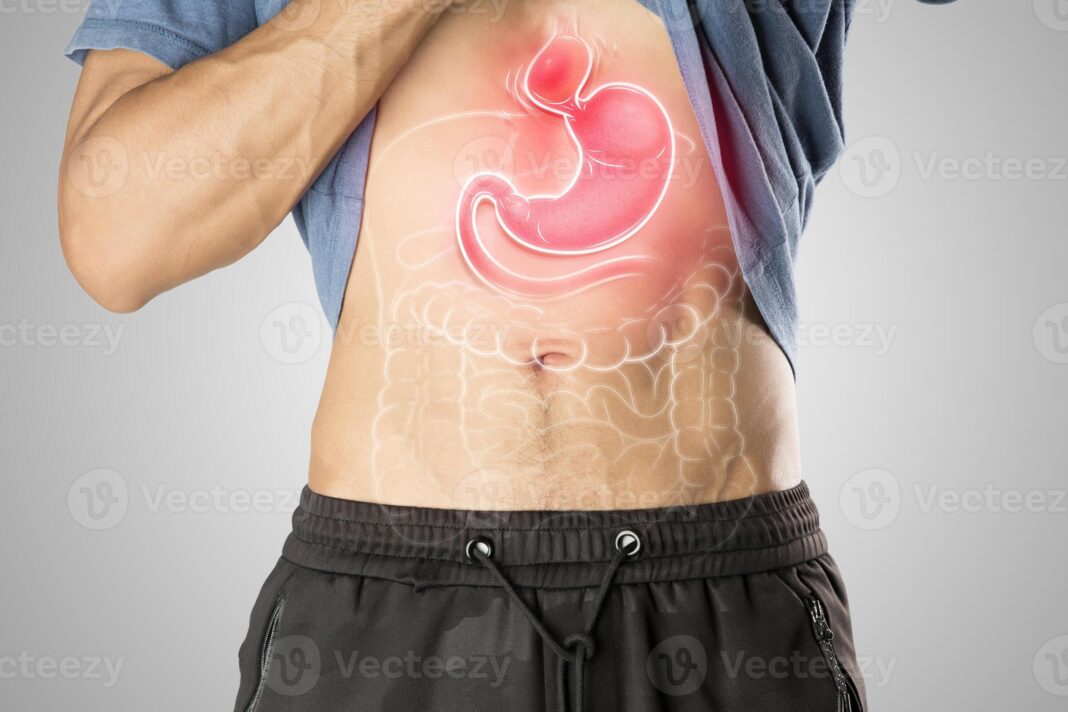
A hiatal hernia occurs when part of the stomach pushes up through the diaphragm—the muscular wall separating the chest from the abdomen—into the chest cavity. When this happens, a stomach hiatal hernia bulge can disrupt the lower oesophageal sphincter, allowing acid to reflux more easily and causing symptoms like severe heartburn or chest pain.
A hiatal hernia bulge refers to the protrusion of stomach tissue through the hiatus (the opening in the diaphragm through which the oesophagus passes) into the chest. Most hiatal hernias are sliding type – common, often asymptomatic, and manageable without surgery.
Types of Hiatal Hernia
| Type | Description | Prevalence | Urgency |
|---|---|---|---|
| Sliding hiatal hernia | Gastro-oesophageal junction slides up into chest | ~95% of cases | Usually benign |
| Para-oesophageal (rolling) hernia | Fundus (top of stomach) herniates beside oesophagus; junction stays below | ~5% | Higher surgical concern |
| Mixed type | Both components present | Less common | Depends on severity |
| Giant hiatal hernia | Large portion of stomach in chest | Less common | Often requires surgery |
Why a Hiatal Hernia Causes Problems
The lower oesophageal sphincter (LOS) – the valve between oesophagus and stomach – normally sits just below the diaphragm. The diaphragm reinforces its closure.
When the stomach herniates upward:
- The LOS loses diaphragmatic support
- The pressure difference that normally keeps the valve closed is disrupted
- Acid and stomach contents reflux upward more easily
- Result: GERD (gastro-oesophageal reflux disease) in many people with hiatal hernia
Common Symptoms
| Symptom | How the Hernia Causes It |
|---|---|
| Heartburn / acid reflux | LOS dysfunction allows acid upward |
| Regurgitation | Stomach contents move into oesophagus |
| Chest pain | Acid irritation of oesophageal lining |
| Difficulty swallowing (dysphagia) | Mechanical compression or oesophagitis |
| Feeling full quickly | Reduced gastric capacity |
| Belching | Air trapped above the herniated portion |
| Nausea | Reflux-related |
Important: Many people with hiatal hernia have no symptoms at all – particularly smaller sliding hernias found incidentally on imaging.
What You Can’t See – vs What People Think They See
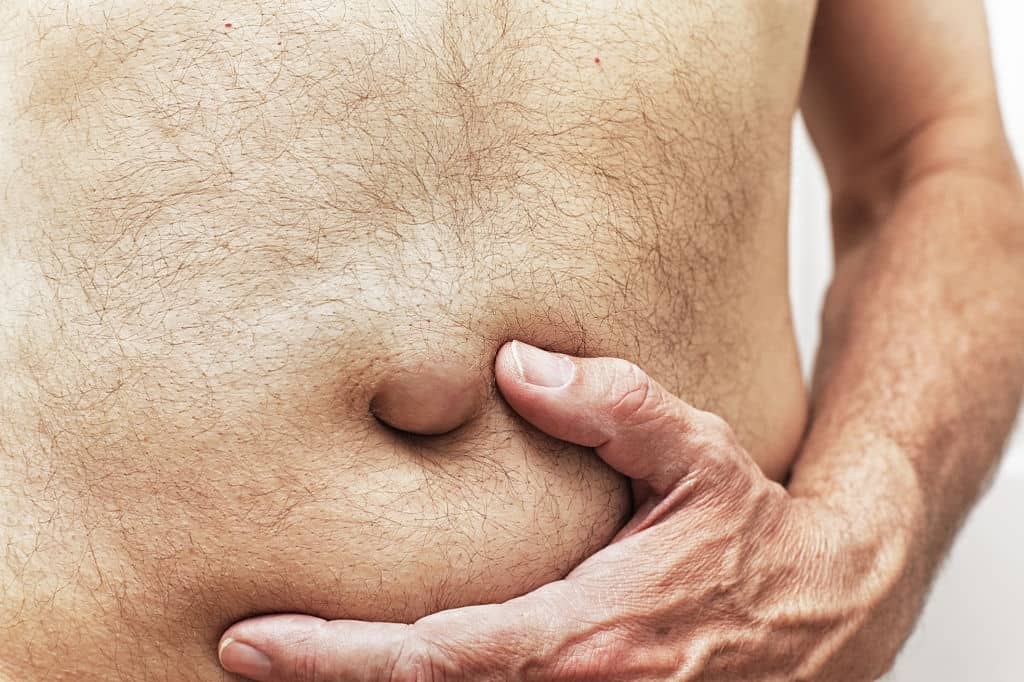
It’s worth clarifying: a hiatal hernia does not create a visible external bulge on the abdomen in the way an inguinal or umbilical hernia might. The hernia occurs internally – upward into the chest.
People may describe feeling a “lump” or pressure in the upper abdomen or mid-chest – this is a sensation from the herniated stomach tissue, not a visible external bulge. External abdominal bulges near the belly button or groin are different types of hernia.
Risk Factors
| Risk Factor | Mechanism |
|---|---|
| Age | Diaphragm weakens and hiatus widens with age |
| Obesity | Increased intra-abdominal pressure |
| Pregnancy | Increased abdominal pressure |
| Chronic cough or straining | Repeated pressure increases |
| Heavy lifting | Acute or chronic pressure on the diaphragm |
| Previous oesophageal surgery | Alters anatomy |
Hiatal hernia is extremely common – present in up to 50% of people over 50, most of whom are asymptomatic.
Management – Lifestyle First
For the vast majority of hiatal hernias, lifestyle modification and acid suppression manage symptoms effectively:
Dietary Changes
- Eat smaller, more frequent meals
- Avoid eating within 2-3 hours of lying down
- Reduce: caffeine, alcohol, spicy food, fatty food, chocolate, mint
- Maintain a healthy weight – even modest weight loss reduces symptoms significantly
Positional Measures
- Elevate the head of the bed by 15-20 cm (bed risers, not pillows – pillows flex the body)
- Avoid bending or lying down immediately after meals
- Sleep on left side – reduces acid exposure to oesophagus
Medications
- PPIs (proton pump inhibitors) – omeprazole, lansoprazole; reduce acid production; most effective for managing reflux symptoms
- H2 blockers – ranitidine alternatives; milder acid reduction
- Antacids – immediate but temporary relief
When Surgery Is Considered
Surgery (laparoscopic Nissen fundoplication) is considered when:
- Symptoms are severe and don’t respond to medical management
- Para-oesophageal hernia is large (risk of strangulation)
- Complications develop (Barrett’s oesophagus, severe oesophagitis)
- Patient prefers a surgical solution to lifelong medication
Serious Complications to Know
| Complication | Symptoms | Action |
|---|---|---|
| Strangulated hernia (para-oesophageal) | Sudden severe chest/abdominal pain, vomiting | Emergency |
| Gastric volvulus | Unable to pass food, severe pain | Emergency |
| Barrett’s oesophagus | Usually no new symptoms – detected by endoscopy | Monitoring |
| Oesophageal stricture | Progressive difficulty swallowing | Medical management |
Bottom Line
A hiatal hernia is extremely common, often entirely asymptomatic, and in most cases manageable with lifestyle changes and acid-suppressing medications. The symptoms it causes – heartburn, reflux, chest discomfort – are the target of treatment, not the hernia anatomy itself for most people. Surgery is reserved for cases where medical management fails or where complications develop. If you have severe symptoms unresponsive to lifestyle changes and PPIs, an upper GI endoscopy provides definitive assessment of what’s happening and guides the next step.

