

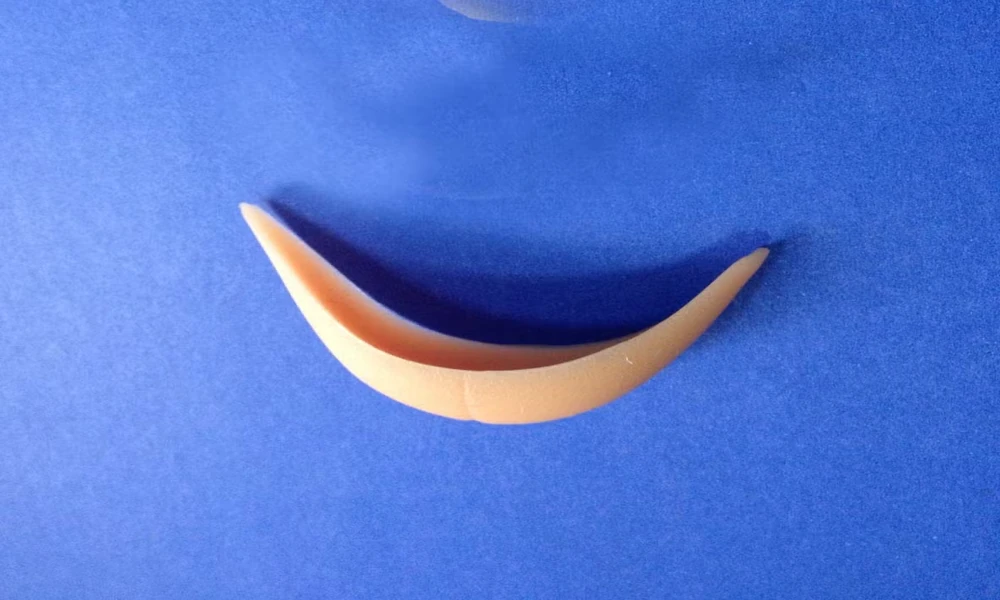
Profile photos rarely lie about proportion. A recessed jaw tip can make a well-shaped nasal bridge look larger than it really is. The mouth may also seem to sit too far forward when the lower face lacks support. A carefully planned silicone chin implant can rebalance these features without altering them directly. Surgeons now design many inserts from scan data instead of picking stock sizes off a shelf. Below is a plain explanation of what changes, what does not, plus how planning works.
Profile Lines Tell Everything
Surgeons often judge balance by drawing a straight line from the nasal tip to the jaw point. Ideally, the mouth sits just behind that line. A weak lower jaw pulls the line inward so the mouth looks prominent. Adding projection below restores a smoother side view.
Proportions Follow Simple Thirds
The face is often divided into three roughly equal vertical sections. The lowest third runs from the nasal base down to the jaw tip. When that section is short, the whole face can appear rounder or compressed. Lengthening it slightly often brings the upper sections into better balance.
Changes Patients Commonly Notice Afterwards
Results vary between patients, yet certain improvements appear frequently. Most relate to how features connect to one another.
- The nasal bridge seems smaller once the lower face gains projection.
- Mouth position looks more relaxed instead of pushed noticeably forward.
- Jawline definition becomes clearer when viewed from either side angle.
- Under jaw fullness reduces even without any fat removal.
- Overall face shape appears slightly longer rather than round.
- Smiling photographs show better balance between top and bottom halves.
- Side profile selfies need less careful angling to look proportional.
- Makeup contouring becomes simpler because bone structure provides shadows.
Custom Design From Scan Data
Standard inserts come in preset sizes that rarely match each bone surface. A CT scan maps the exact curves of the jaw before production. Using that map, a personalised silicone chin implant sits closer against the bone with less risk of shifting. Edges can also taper gently so no visible step forms along the jawline.
How Much Projection Looks Right for Each Face?
There is no single correct size. A small face with a recessed jaw usually needs forward projection more than extra length. A long face benefits from projection only, since added length would worsen the imbalance. Wide faces often suit a gently tapered shape.
Surgeons judge these needs using front, side plus angled photographs. Many clinics also show a 3D preview before surgery. That preview helps patients see the planned change in context. It is a guide rather than a guarantee, because healing varies. Patients should discuss expectations honestly at this stage.
Standard Versus Personalised Inserts
Custom options usually cost more because of scanning plus manufacturing. They suit patients with uneven bone or thin overlying tissue.
| Aspect | Stock Insert | Custom Printed Insert |
| Fit against bone | May leave small gaps | Matches bone contours closely |
| Surgeon adjustments | Often carved during surgery | Shaped before surgery |
| Edge transition | Can be noticeable | Tapered to blend smoothly |
| Asymmetry correction | Limited | Thickness varies to compensate |
| Planning tools | Photos and measurements | CT scan plus 3D preview |
Common Patient Doubts Answered
- Does the result look obvious to others? A well-sized insert usually blends in like original bone structure.
- How long does the insert last? It can remain long-term without routine replacement unless problems appear.
- Will the lower lip feel numb afterwards? Temporary numbness is common and usually fades over several weeks.
- Does a previous gel injection affect planning? Yes, surgeons may recommend dissolving it before taking measurements.
- Are men suitable candidates too? Yes, male designs focus on width plus a stronger jawline.
- What age suits this procedure? Facial bones should be fully developed, usually by the late teens or later.
Balance Grows from Thoughtful Preparation
Small adjustments at the bottom of the face can reshape how the entire side view reads. Adding projection often makes the upper features appear better matched. Results depend on accurate measurement, sensible sizing, and patience during healing. No outcome will ever be flawless. Choosing a qualified specialist, then following aftercare advice consistently, matters far more than chasing perfection.

