

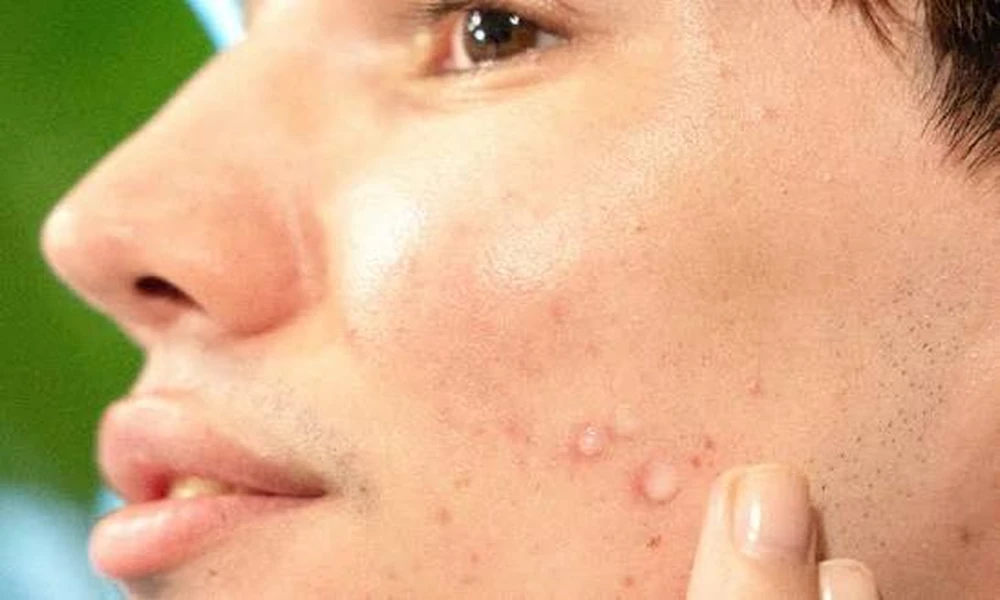
Picture someone we will call Mei. She is thirty-one, and for most of her twenties she has carried the same small map on her cheeks: a scatter of dents left behind by teenage breakouts. The acne itself stopped years ago. The marks stayed. One evening she counts them in the bathroom mirror, books a consultation, and walks out with a package of six laser sessions.
Six months later, some of the dents look softer. Others look exactly the same. Nothing went wrong, exactly. The trouble is that Mei’s scars were not one kind of scar, and nobody had asked which kinds she had. If you are weighing up acne scar treatment in Singapore, that question is worth asking before you spend anything, because the answer shapes almost every decision that follows.
Not every mark is a scar
Start with a simple sorting job. Flat red, pink or brown spots left after a pimple heals are usually not scars at all. They are post-inflammatory marks: leftover pigment or small blood vessels sitting in skin that is otherwise smooth. Run a finger over them and you feel nothing.
These marks often fade on their own over months, especially if you protect them from the sun. A true scar is different. It changes the texture of the skin, leaving a dip, a ridge or a pit you can feel. Treating a flat mark as if it were a scar can mean paying for more than you need.
Three shapes, three different problems
Doctors usually sort sunken acne scars into three main shapes. Each one formed in a slightly different way, which is why each tends to respond to different tools.
- Ice pick scars are narrow, deep holes, like a pore that has been stretched downward.
- Boxcar scars are wider dips with sharp, steep edges, a bit like a small crater.
- Rolling scars are soft, wave-like hollows with sloping edges, caused by bands of tissue tugging the skin down from below.
Most people have a mix. Mei, it turned out, had mostly rolling scars with a handful of ice picks near her temples. The laser smoothed the surface around them, but it could not reach the bands pulling her rolling scars down, and it barely touched the narrow ice picks.
Try the stretch test at home
Here is a small trick you can do in a mirror with good light. Place two fingers either side of a scar and gently stretch the skin apart. If the dip mostly flattens out, it is likely a rolling scar. If it stays put, sharp-edged and stubborn, it is more likely a boxcar or ice pick scar.
This is not a diagnosis, and it does not replace a doctor’s assessment. But it gives you a useful question to bring into the room: which of my scars are tethered, and how will we release them? A good answer will usually mention more than one technique.
Why one treatment rarely does it all
Because the shapes differ, the best results usually come from combining methods. Rolling scars often need subcision, where a fine needle frees the bands underneath. Ice pick scars may need a targeted chemical treatment placed into each pit. Lasers or microneedling then help remodel the surface and even out texture.
The order matters too. Releasing tethered scars first, then resurfacing, often makes each laser session count for more. A plan that repeats a single treatment six times may suit some skin. It is fair to ask why it suits yours.
Skin tone changes the pace
Many people in Singapore have skin that tans easily and holds on to pigment. That kind of skin can react to aggressive heat-based treatments with new dark patches, a problem called post-inflammatory hyperpigmentation. It is not a reason to avoid treatment. It is a reason to go gently.
In practice, that can mean lower energy settings, more time between sessions, and a strict sun routine before and after. With strong sun all year round, that last part is not optional. A slower plan can feel frustrating, yet it often ends in a better place than a fast one that leaves new marks to fix.
Questions worth asking first
Before you agree to any package, ask the doctor to name your scar types out loud. Ask which treatment targets which type, and in what order. Ask how your skin tone affects the settings, and how much downtime to expect after each step.
Then make sure any active acne is under control. Treating scars while new breakouts keep forming is a little like repainting a wall during a leak. Calm the skin first, then repair it.
Mei did go back. This time she asked what each mark was, and the plan changed: a few sessions to release the rolling scars, small targeted treatments for the ice picks, then laser to smooth it all together. Her skin will never be the skin she had at fifteen, and no honest doctor would promise that. But knowing the names of her scars turned a vague hope into a plan she understood. That understanding is a quiet, useful first step, and it is one you can take too.

