

Key Highlights
- Hair implant surgery involves the insertion of synthetic materials, which differs fundamentally from procedures that utilise a patient’s own biological hair.
- Natural hair transplant procedures focus on relocating existing follicles to address thinning areas.
- FUE hair transplant in Singapore represents a common method for harvesting individual follicles to provide a natural-looking distribution.
- Understanding the biological compatibility of donor hair versus synthetic implants is essential for patient assessment.
- Recovery timelines and potential long-term maintenance requirements vary significantly between these two approaches.
Introduction
Hair restoration remains a significant field of interest for individuals experiencing hair thinning or loss. As medical technology advances, prospective patients are often presented with various methodologies aimed at addressing these concerns. Two primary categories often discussed are synthetic hair implant surgery and natural follicular grafting. While both aim to address the aesthetic appearance of the scalp, their mechanisms, materials, and clinical outcomes differ considerably. Distinguishing between these approaches is a necessary step for anyone considering a procedure, as the choice between them involves distinct considerations regarding biocompatibility, long-term maintenance, and overall results.
The Nature of Hair Implant Surgery
Hair implant surgery generally refers to the surgical placement of synthetic or artificial fibres into the scalp to simulate the appearance of hair. This approach involves a process where artificial strands are embedded into the dermis. Because these strands are synthetic, they do not possess the same biological properties as natural human hair. They do not grow, nor do they cycle through shedding and regeneration phases in the same manner as natural follicles.
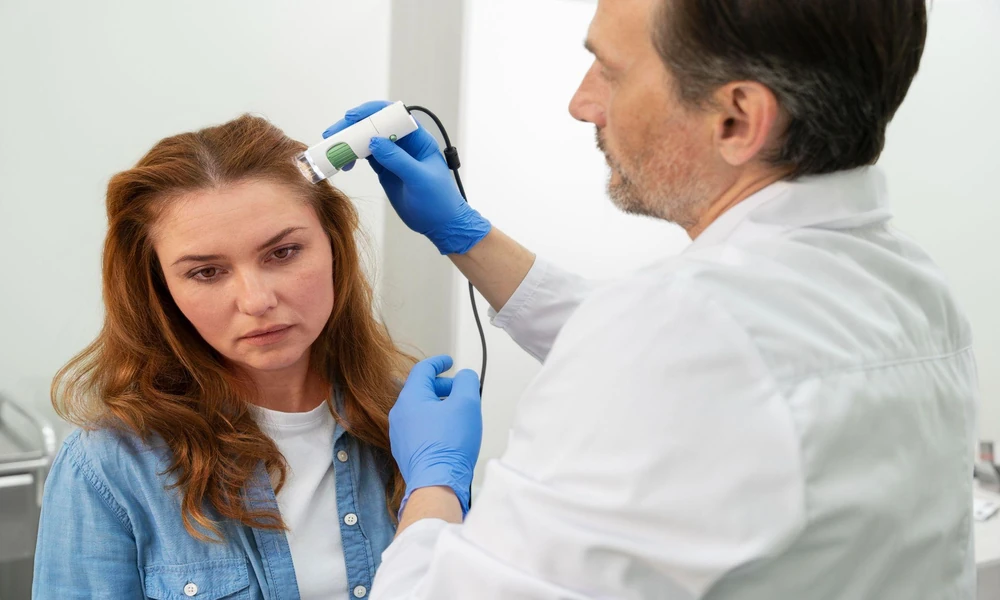
From a clinical perspective, this procedure is often viewed as an alternative for patients who may not have sufficient donor hair for other methods. However, the use of synthetic materials introduces considerations regarding the body’s reaction to foreign substances. Ensuring that the scalp environment is suitable for synthetic integration is a standard focus of the pre-procedural assessment.
Understanding FUE Hair Transplant in Singapore
In contrast, procedures such as the FUE hair transplant in Singapore rely on the patient’s own biological tissue. Follicular Unit Extraction is a widely practised method where individual follicular units are harvested directly from the donor area, typically the back or sides of the scalp, and carefully implanted into the recipient areas where thinning has occurred.
The primary advantage of this approach lies in the use of autologous tissue, meaning the hair is the patient’s own. Consequently, the transplanted hair maintains its biological characteristics, including the ability to grow, retain its texture, and follow a natural growth cycle. This method is often favoured for its ability to produce results that integrate with the existing hair architecture of the patient. The precision required for this extraction and implantation process necessitates a methodical and careful approach by the clinical team.
Comparative Considerations for Patients
When evaluating these options, patients must consider several factors. The first is biological compatibility. Natural hair transplants involve the patient’s own genetic material, which significantly lowers the risk of rejection or adverse immune response. Conversely, synthetic implants require a thorough assessment of how the scalp tissue tolerates artificial fibres.
The second consideration is long-term maintenance. Natural hair continues to function as it did in the donor site. It can be groomed, washed, and styled just like the rest of the hair. Synthetic fibres, however, may require specific care protocols to ensure they remain secure and to maintain their appearance over time. Furthermore, natural hair growth typically offers a result that matures over several months, whereas the visual effect of implants is immediate.
Clinical practitioners typically guide patients through an assessment to determine which method aligns with their individual hair loss pattern, scalp health, and long-term aesthetic goals. It is important to have a transparent discussion about what each procedure entails, including the recovery period and the nature of the expected outcomes.
Clinical Outcomes and Expectations
Managing expectations is a standard part of any aesthetic consultation. With an FUE hair transplant in Singapore, results are generally observed gradually as the transplanted follicles establish themselves in their new position. The density and distribution are determined by the initial design of the hairline and the availability of donor grafts.
In the case of hair implant surgery, the immediate presence of the fibres provides an instant change in volume. However, the maintenance of this volume relies on the durability of the implants and the ongoing health of the scalp tissue surrounding them. Both methods require a structured approach to follow-up care to monitor the scalp and ensure the desired outcome is sustained safely.
Conclusion
The decision to proceed with any hair restoration procedure is a personal one that should be informed by a clear understanding of the available techniques. Whether opting for a procedure that utilises the patient’s own follicles or one that incorporates synthetic fibres, it is essential to consult with qualified professionals. By carefully weighing the mechanics of each approach, patients can make an informed decision that aligns with their clinical needs and aesthetic expectations.
Contact us at Veritas Medical Aesthetics for a professional consultation to discuss your concerns and explore appropriate options for your hair health.

