

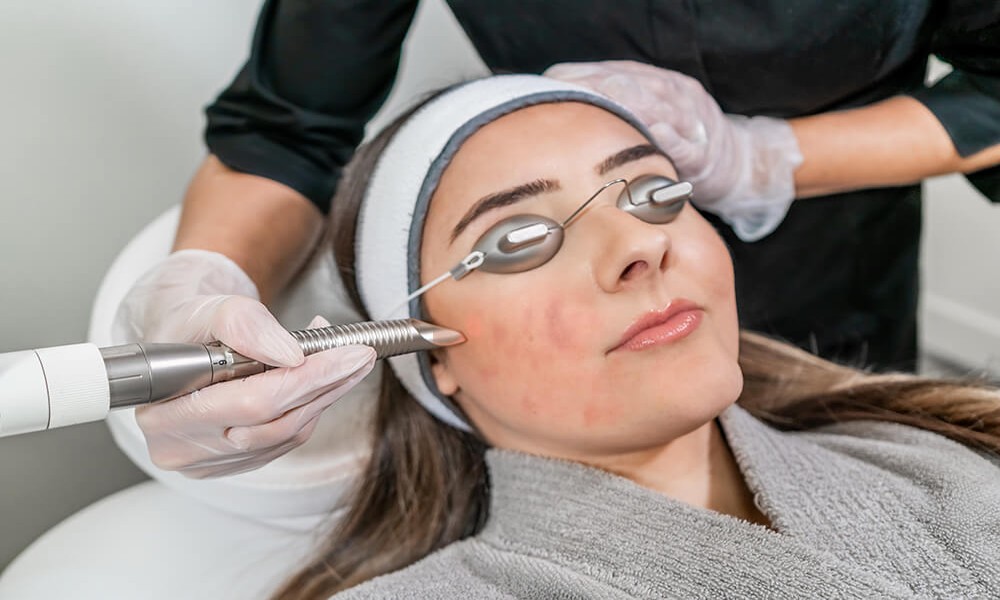
Stubborn acne leaves more than just marks on the skin; it challenges confidence, disrupts routines, and often resists every cream, pill, or home remedy tried. Now, a new wave of hope is coming from targeted laser technology, a tool many dermatologists believe is reshaping how persistent acne is managed.
What Is Targeted Laser Technology for Acne Treatment?
Targeted laser treatments are not just another facial gadget or beauty trend. They use highly specific wavelengths of light that interact directly with the skin’s biology, aiming to quell acne at its most fundamental source.
How Does It Work at the Skin’s Source?
Unlike topical treatments that merely address surface bacteria or inflammation, lasers like AviClear™ directly target the sebaceous glands. These glands are responsible for producing sebum, the oily substance that can clog pores and fuel breakouts. By focusing on these oil-producing glands, the laser reduces sebum production. The result is not just quick healing of existing lesions, but also a reduction in future outbreaks.
What Makes AviClear™ Unique Among Laser Treatments?
AviClear™ stands out because it is the first and only FDA-cleared laser of its kind for mild to severe acne. The magic lies in its 1726 nm wavelength, which is absorbed specifically by the sebaceous glands and not by melanin (skin pigment). This precision means it is safe for all skin tones, avoiding the risk of hyperpigmentation that haunts many other laser procedures. Furthermore, AviClear™ is engineered with advanced cooling technology to keep treatments comfortable and skin safe throughout the process.
Why Do Dermatologists Recommend This Technology?
Dermatologists are not easily swayed by trends; they require solid clinical evidence and real-world results before recommending new therapies. Targeted lasers are earning their trust for good reason.
Clinical Effectiveness and Patient Outcomes
Clinical trials consistently show that up to 91% of patients respond to AviClear™ treatments, with 80% experiencing at least a 50% reduction in acne. Results do not plateau at the end of the treatment series; improvements actually continue to get better for months, offering long-term relief rather than just a temporary fix.
Safety Profile Compared to Traditional Treatments
Unlike oral medications or harsh topical regimens, targeted laser therapy sidesteps many of the notorious side effects. There is no risk of systemic complications, no birth defect warnings, and no need for blood tests. The overwhelming majority of patients report only minor redness or warmth after sessions, with rare and short-lived flare-ups.
Suitability for All Skin Types and Ages
A major breakthrough is the suitability of this laser for every skin tone and age group. Because the laser targets oil glands rather than skin pigment, it works safely on both light and dark skin, from teenagers to adults managing hormonal or persistent acne.
How Does Targeted Laser Compare to Conventional Acne Therapies?
When measured against classic approaches, laser treatments bring an entirely new dynamic to acne care.
Differences from Topical and Oral Medications
Topical retinoids and antibiotics can control acne but often come with skin irritation or antibiotic resistance. Oral solutions, such as isotretinoin, may cause significant side effects, ranging from dryness to severe complications.
Advantages Over Accutane® and Its Side Effects
Isotretinoin (formerly known as Accutane®) is powerful but comes with a daunting list of side effects: birth defects, joint pain, mood changes, and more. AviClear™ delivers comparable efficacy without these risks, positioning itself as a true alternative, especially for patients who cannot tolerate or do not want systemic drugs.
Complementary or Replacement Treatment?
Laser therapy is versatile. It can replace medications entirely for many, or it can be combined with existing treatments for added benefit. For some, especially those who have seen little improvement on pills or creams, it offers a completely new chance at clear skin.
What Can Patients Expect During and After Treatment?
A session typically involves a gentle warming sensation as the laser targets oil glands. Thanks to integrated cooling systems, there is no need for numbing, and discomfort is minimal. Most protocols involve three sessions spaced a month apart, with improvements emerging gradually and often peaking several months after the final session.
There may be mild redness or a temporary acne flare-up, but downtime is minimal, and activities can usually be resumed the same day. Post-treatment care may include gentle topicals, but strict downtime or complicated aftercare are not the norm.
Who Is an Ideal Candidate for Targeted Laser Acne Therapy?
One of the standout features is how broadly this technology applies. Nearly any skin type, tone, or age can reap the benefits. Whether it’s a teen with new breakouts or an adult with chronic, treatment-resistant acne, targeted laser therapy is an option. The main exceptions are pregnancy and nursing, as laser procedures are not tested in these groups.
What Does Future Acne Management Look Like with This Technology?
Laser technology is shifting the acne treatment paradigm. With long-term reduction in breakouts, fewer flare-ups, and relief from ongoing side effects, patients are seeing not just clearer skin but also a clearer path forward. Dermatologists increasingly view this technology as a cornerstone in comprehensive acne management.
How to Access Targeted Laser Acne Treatment?
For those seeking these benefits, finding a reputable provider is key. Clinics like Clinique Anti Aging laser for acne have adopted AviClear™ and similar technologies, offering expertise and a patient-centric approach. Ask about the experience level of practitioners, the specific technology used, and whether a tailored treatment plan is available before making a decision.
In a world where acne can be a lifelong battle, targeted laser technology offers a new beginning, one that dermatologists now increasingly consider a future standard of care.

