

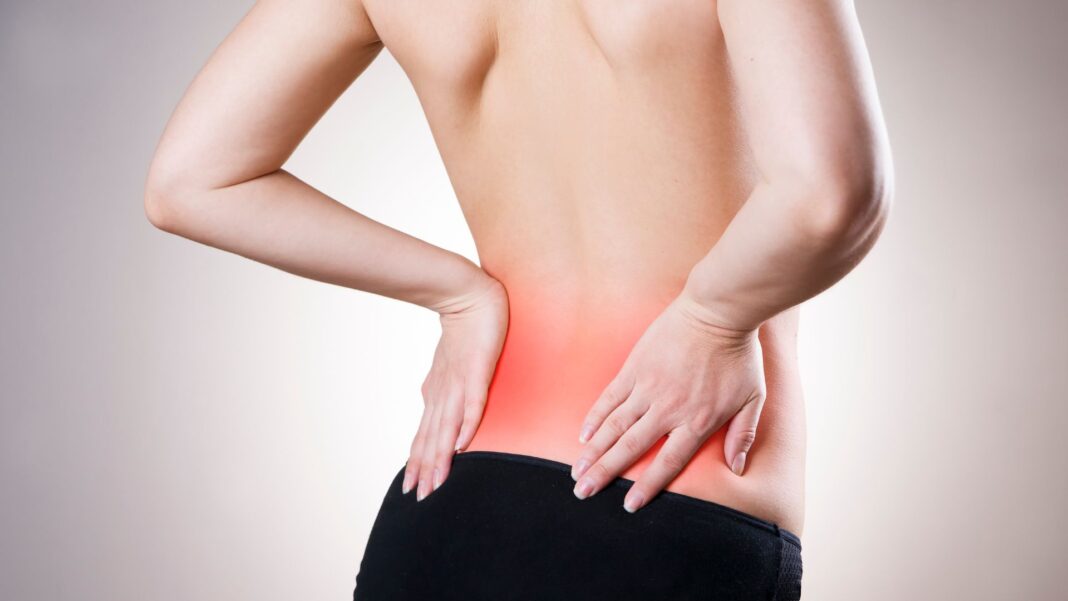
Understanding what causes lower back pain in females requires looking beyond general muscle strain. While posture and disc issues affect everyone, women specifically deal with pain linked to menstrual cycles, endometriosis, and uterine fibroids. During pregnancy, hormonal changes that loosen ligaments often lead to significant discomfort in the lower lumbar region, making targeted care and diagnosis essential for effective relief.
Understanding the likely cause is the first step to effective treatment – because the approach differs significantly depending on what’s driving the pain.
Common Causes of Lower Back Pain in Females
Female-Specific Causes
| Cause | Characteristics | When It Occurs |
|---|---|---|
| Menstrual cramps (dysmenorrhea) | Radiates from uterus to lower back | During period |
| Endometriosis | Deep, persistent ache; worse during period | Throughout cycle; worst during period |
| Ovarian cysts | One-sided pain; can be sharp | Any time; often mid-cycle |
| Uterine fibroids | Pressure and dull ache | Ongoing; worse during period |
| Pregnancy (early) | Ligament stretching, shifting center of gravity | First trimester onward |
| Pelvic inflammatory disease (PID) | Lower back + pelvic pain + fever | When infection is active |
| Premenstrual syndrome (PMS) | Muscle tension, fluid retention | 1-2 weeks before period |
| Perimenopause / menopause | Hormonal shift → reduced bone density, joint laxity | Perimenopause onward |
General Causes (Affect Both Sexes, Common in Women)
| Cause | Characteristics |
|---|---|
| Muscle strain | Sudden onset after activity; localized ache |
| Disc herniation | Often radiates down leg (sciatica) |
| Spinal stenosis | More common in women; pain with walking |
| Osteoporosis | More common in women post-menopause; risk of fracture |
| Scoliosis | Sideways spinal curve; often discovered in adolescence |
| Kidney stones or infection | Pain at flank/side; often with urinary symptoms |
| Poor posture | Chronic dull ache; worsens with prolonged sitting |
Period-Related Lower Back Pain: What’s Normal vs Not
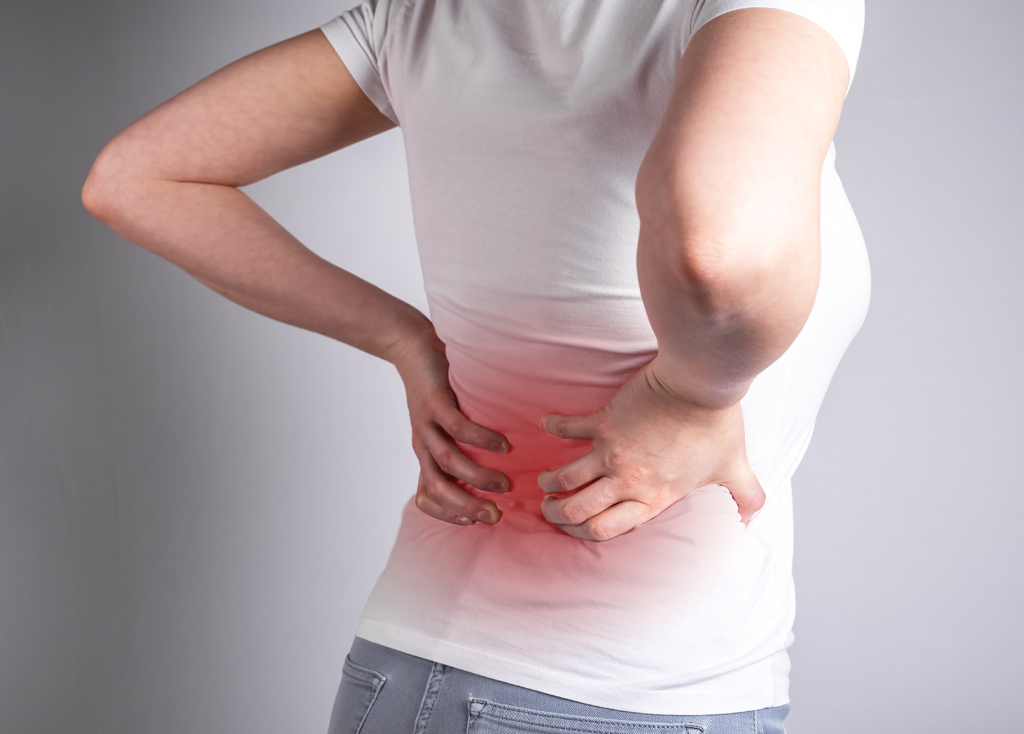
Many women experience lower back pain during menstruation – prostaglandins (hormone-like compounds) cause uterine contractions that can radiate to the lower back.
Normal period back pain:
- Begins 1-2 days before period
- Peaks on day 1-2 of flow
- Improves with over-the-counter NSAIDs (ibuprofen)
- Doesn’t significantly worsen with each cycle
Potentially abnormal (see a doctor):
- Pain so severe it interferes with daily function
- Pain worsening each cycle
- Pain that persists outside your period
- Accompanied by heavy bleeding, pain during sex, or bowel symptoms
These signs suggest endometriosis or another underlying condition worth investigating.
Endometriosis and Lower Back Pain
Endometriosis – where tissue similar to the uterine lining grows outside the uterus – is a significant and often underdiagnosed cause of lower back pain. When endometrial tissue grows near the sciatic nerve or in the posterior pelvis, it creates a characteristic deep aching pain that:
- Radiates from lower back through the buttocks and sometimes down one leg
- Is worst during menstruation but present throughout the cycle
- Is not fully relieved by standard pain medication
Diagnosis requires laparoscopy – not imaging alone. If this pattern sounds familiar, push for a referral to a gynecologist who specializes in endometriosis.
When to See a Doctor
| Seek medical attention if… |
|---|
| Pain is sudden and severe |
| Pain radiates down one or both legs |
| You have bladder or bowel changes alongside back pain |
| Back pain accompanies fever, chills |
| Pain is worsening despite rest and OTC pain relief |
| You suspect pregnancy |
| Back pain interferes with sleep consistently |
Self-Care for Lower Back Pain in Females
| Approach | Best For |
|---|---|
| NSAIDs (ibuprofen) | Period-related pain |
| Heat therapy | Muscle spasm, menstrual cramps |
| Gentle stretching / yoga | Chronic posture-related pain |
| Strengthening core muscles | Prevention and chronic low-grade pain |
| Sleep position changes | Pregnancy-related pain (side-lying with pillow) |
| Physiotherapy |
The Bottom Line
Lower back pain in females has a wider range of potential causes than in men – including several reproductive health conditions that mimic or compound musculoskeletal pain. Tracking when pain occurs relative to your menstrual cycle is the single most useful diagnostic step. Period-related back pain that’s manageable is normal; pain that worsens each cycle, persists outside your period, or significantly affects quality of life deserves medical evaluation.

