

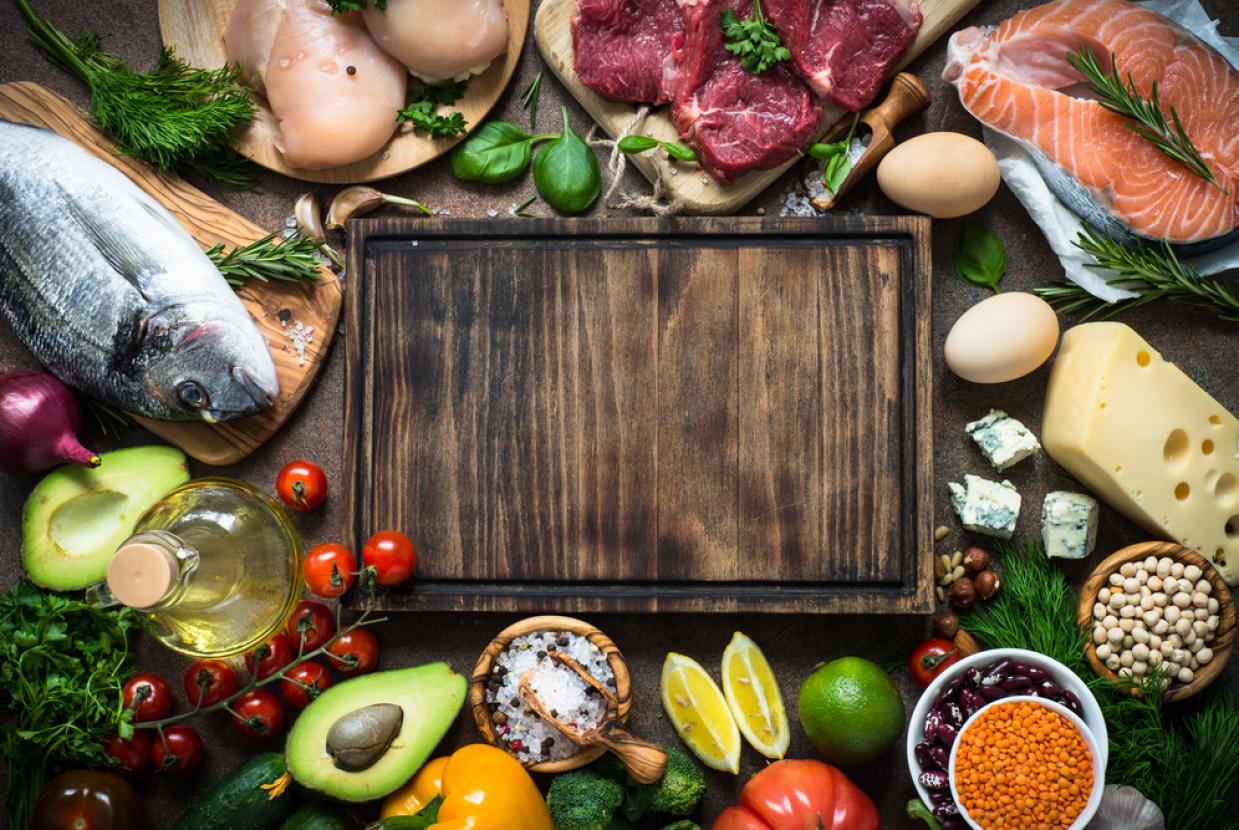
Balancing hydration alongside meals might seem like a minor consideration, but it plays a significant role in overall health and digestion. Many people in Northern Ireland, with its rich culinary traditions and fast-changing weather conditions, may overlook this balance in their daily lives. Whether you’re enjoying a hearty Ulster fry, sipping on Irish breakfast tea, or navigating busy family meals, finding harmony between what you eat and drink can improve digestion, energy levels, and hydration.
Here’s why this balance matters and how you can achieve it without sacrificing Northern Ireland’s cherished foods or lifestyle.
Why Hydration Matters During Mealtime?
Hydration is vital for every function in the body, from maintaining energy levels to keeping the digestive system moving smoothly. Drinking water while eating can help soften food, making it easier to chew and swallow. However, drinking too much liquid during meals may dilute stomach acid, potentially slowing down digestion and leaving you feeling bloated.
For people across Northern Ireland, particularly those with busy lifestyles, achieving this balance is key. Whether you’re rushing through a quick lunch during a bustling day or settling down for a Sunday roast with family, how and when you hydrate can make a difference in how your body processes your meals.
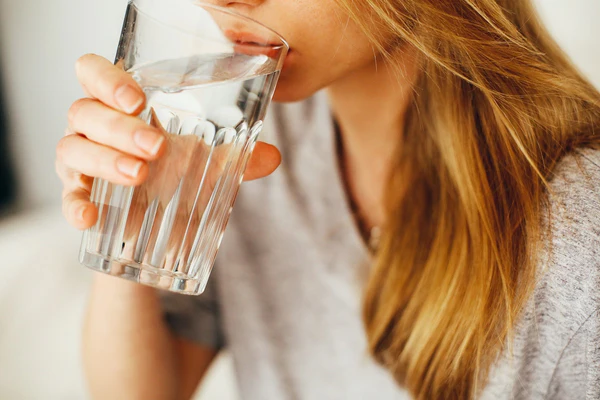
Finding Hydration Balance
1. Choose the Right Timing
While it can be tempting to gulp down a glass of water just before eating, it’s better to sip water gradually throughout the day. Ideally, aim to drink a full glass of water 30 minutes before meals. This helps prepare your body and prevents overloading on liquids while eating.
For those enjoying Northern Ireland’s beloved mealtime traditions, such as a bowl of champ (buttery mashed potatoes with spring onions) or some soda bread, ensure you sip water in moderation, complementing rather than disrupting your digestion.
2. Pair Meals with Hydrating Foods
The good news is that hydration doesn’t solely come from water. Many local dishes already include hydrating ingredients! Fresh vegetable soups, homemade Irish stews, and coleslaw made with cabbage all have water-rich components that can naturally contribute to your hydration needs. Adding more fruits and vegetables like cucumbers, leafy greens, and even apples to accompany your meals can further enhance hydration.
Northern Ireland’s farms produce some of the finest ingredients, so consider incorporating locally grown fruits like berries into desserts or snacks. They not only hydrate but also provide essential nutrients.
3. Limit Sugary and Caffeinated Drinks
Tea, including Irish breakfast tea, is a staple in Northern Ireland households, and there’s no reason to bid it farewell. However, balance is key. Too much tea or coffee during meals can lead to dehydration due to their diuretic effects, which make your body lose more water. Whenever possible, replace sugary sodas with still or sparkling water flavored with a slice of lemon or orange, offering a refreshing twist.
4. Hydrate After Meals
If you’ve just enjoyed a large dinner of traditional boxty or fish and chips, wait about 20-30 minutes before drinking large amounts of water. This timing allows your digestive system to start without interference from excessive liquids.
Hydration Tips for Northerners
- Carry a Reusable Bottle: Stay hydrated as you explore Northern Ireland’s picturesque landscapes, from the Causeway Coast to the Mourne Mountains. Regular sipping throughout the day keeps you ahead of dehydration without the need for excessive drinking at meals.
- Focus on Soups and Broths: Traditional Northern Irish soups made with fresh vegetables and a rich broth are an excellent addition to your diet. They offer both hydration and nourishment in every spoonful.
- Mind the Climate: Colder days might suppress the natural urge to drink water. On these occasions, warm herbal teas or hydrating foods like porridge can be beneficial.
Conclusion
By finding practical, harmonious ways to balance hydration and meals, residents of Northern Ireland can support better digestion, feel more energized, and improve their overall health. Whether you’re savoring local delicacies or just trying to keep up with life’s demands, these small habits can make a huge difference.
