

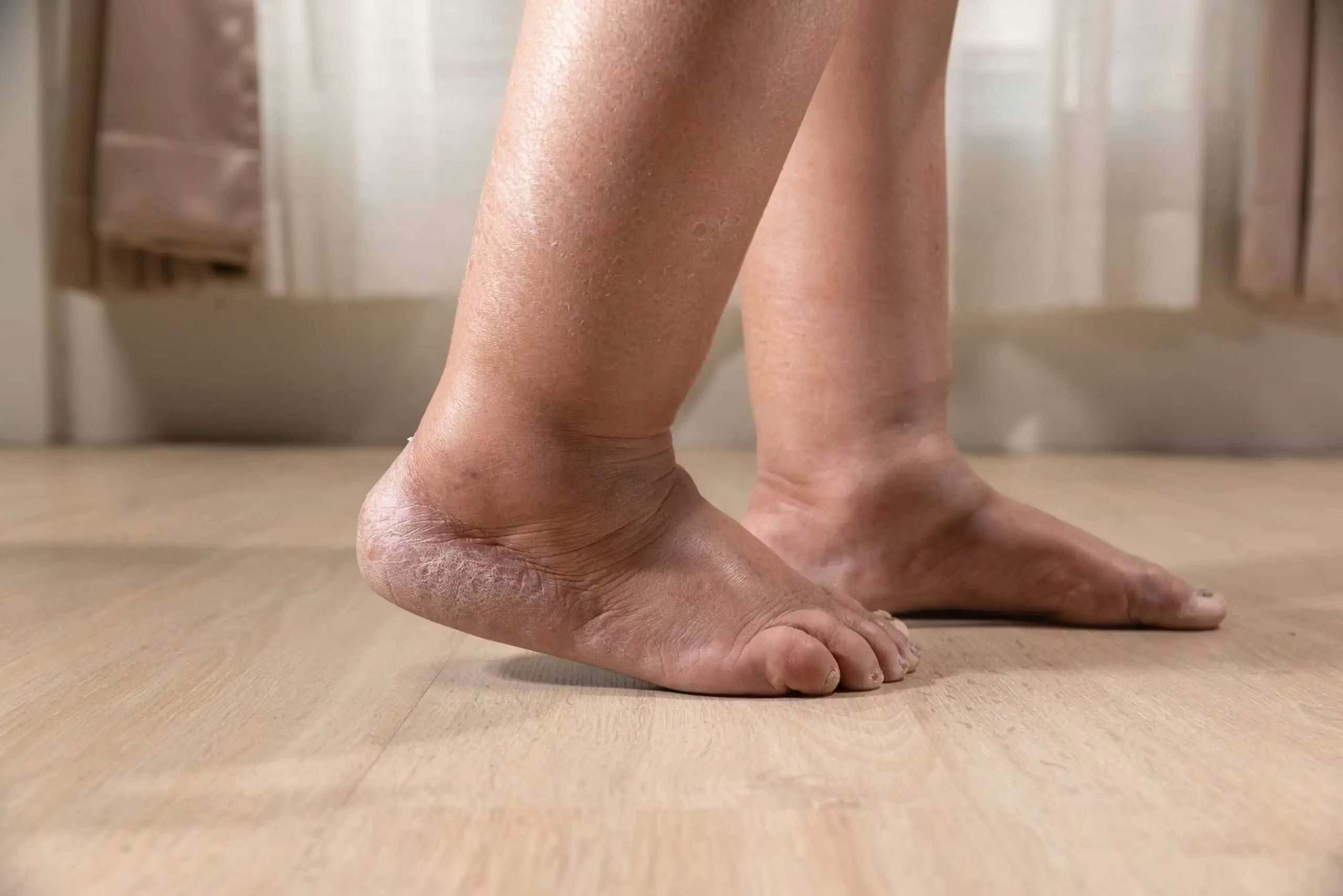
Swelling in the legs and ankles (oedema) is one of the most common complaints in general medicine—and one of the most underestimated. Most people attribute swollen legs and ankles to being on their feet too long or a long flight. Sometimes that’s correct. But this swelling can also be the first visible sign of a serious underlying condition, such as heart, kidney, or liver disease, that needs professional medical attention.
Swollen legs and ankles occur when excess fluid accumulates in the tissue – caused by anything that disrupts the balance between fluid entering and leaving the tissues. Common causes range from prolonged sitting and heat to heart failure, kidney disease, and deep vein thrombosis.
Common Causes at a Glance
| Cause | Type | Urgency |
|---|---|---|
| Prolonged standing or sitting | Benign, positional | Low |
| Heat | Benign, vasodilation | Low |
| Pregnancy | Physiological | Monitor |
| Varicose veins / venous insufficiency | Chronic | Low-moderate |
| Lymphoedema | Chronic | Moderate |
| Medications | Drug side effect | Moderate |
| Heart failure | Systemic | High |
| Kidney disease / nephrotic syndrome | Systemic | High |
| Liver cirrhosis / hypoalbuminaemia | Systemic | High |
| Deep vein thrombosis (DVT) | Vascular emergency | Emergency |
| Cellulitis | Infection | Urgent |
| Pulmonary embolism | Cardiovascular emergency | Emergency |
Benign Causes That Cause Everyday Swelling
Positional / Gravity-Related
Fluid follows gravity. Sitting or standing for long periods – at a desk, on a plane, or during a long event – causes fluid to pool in the lower legs. This type:
- Is symmetric (both legs)
- Improves with elevation and movement
- Resolves overnight
- Pits when pressed (leaves an indent)
Medications
Several common medications cause peripheral oedema:
| Drug Class | Examples |
|---|---|
| Calcium channel blockers | Amlodipine, nifedipine |
| NSAIDs | Ibuprofen, naproxen |
| Corticosteroids | Prednisolone |
| Some antidepressants | MAOIs |
| Hormone therapy | Oestrogen, testosterone |
| Some diabetes medications | Thiazolidinediones |
If swelling started around the time of a new medication, report it to your prescriber.
When Swelling Points to Something Serious
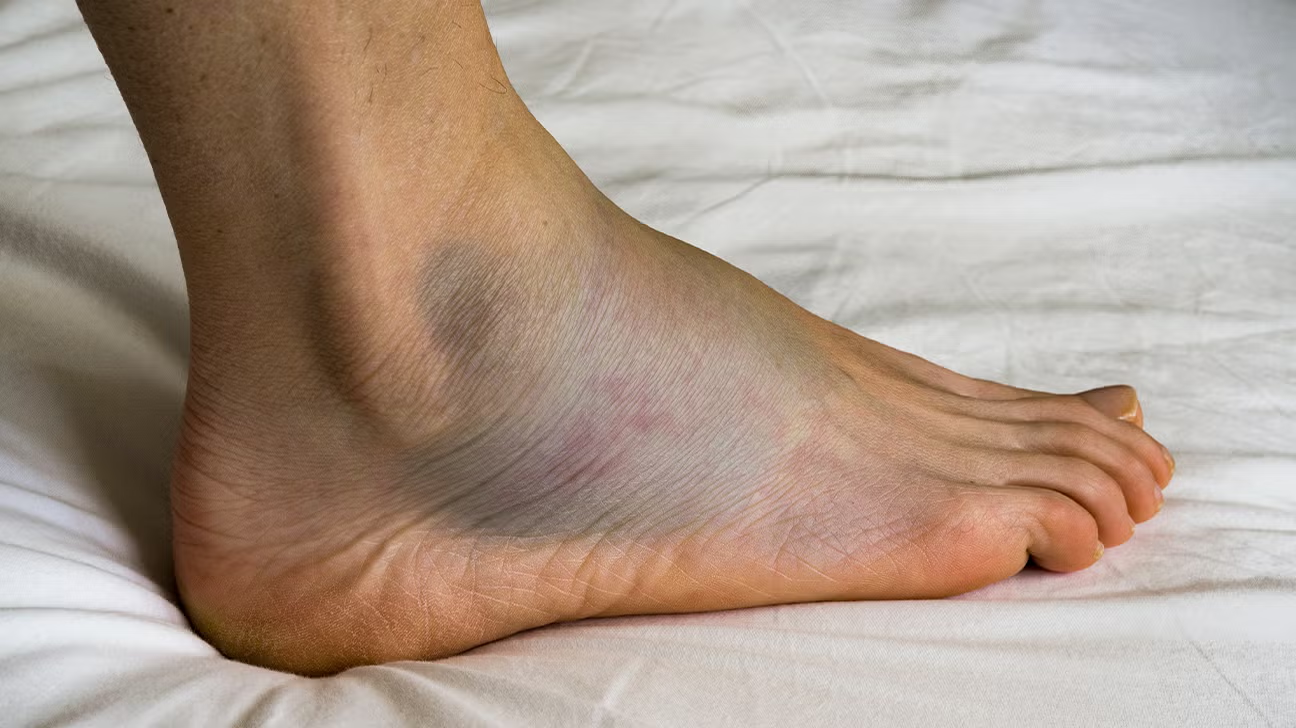
Heart Failure
When the heart cannot pump efficiently, fluid backs up – causing bilateral (both legs) pitting oedema that worsens throughout the day and improves overnight when lying flat.
Additional signs: Shortness of breath (especially lying down), fatigue, weight gain over days, reduced exercise tolerance.
Kidney Disease (Nephrotic Syndrome)
The kidneys lose protein into the urine; low blood protein allows fluid to leak out of vessels into tissues.
Additional signs: Foamy urine, facial puffiness (especially morning periorbital oedema), fatigue.
Liver Cirrhosis
The cirrhotic liver produces less albumin – the protein that keeps fluid in blood vessels. Fluid leaks into tissues and the abdomen.
Additional signs: Abdominal distension (ascites), jaundice, fatigue.
Deep Vein Thrombosis (DVT) – Emergency
A blood clot in a deep leg vein causes sudden, usually unilateral (one leg) swelling – often with warmth, redness, and tenderness along the vein.
DVT is a medical emergency – the clot can travel to the lungs (pulmonary embolism) which can be fatal.
Go to the ER immediately if: Swelling is sudden, in one leg only, with warmth/redness, especially after a long flight, surgery, or period of immobility.
Key Differentiating Features
| Feature | Likely Benign | Likely Serious |
|---|---|---|
| Both legs equally | Gravity/systemic cause | Heart, liver, kidney |
| One leg only | Often DVT | DVT, cellulitis, local injury |
| Onset | Gradual, end of day | Sudden |
| Improves overnight | Yes – usually | Partial at best in heart failure |
| Associated symptoms | None | Breathlessness, fatigue, chest pain |
| Skin changes | None | Redness, warmth, discolouration |
What Helps (For Non-Serious Causes)
- Compression stockings (graduated, 15-20 mmHg for mild; 20-30 mmHg for moderate) – the most effective non-medication treatment for venous oedema
- Leg elevation – elevate above heart level for 20-30 minutes, 3-4 times daily
- Movement – calf muscle contractions pump fluid back up; avoid prolonged immobility
- Reduce sodium intake – dietary salt causes water retention
- Exercise – particularly walking and cycling; improves venous and lymphatic return
When to See a Doctor
See your GP within 1-2 days if:
- Swelling is new and unexplained
- It’s getting progressively worse
- You have other symptoms (breathlessness, weight gain, reduced urine output)
Go to the ER immediately if:
- Sudden swelling in one leg with warmth and redness (DVT)
- Swelling with chest pain or shortness of breath (possible PE)
- Swelling with extreme breathlessness at rest (heart failure decompensation)
- Signs of cellulitis (hot, red, spreading redness with fever)
Bottom Line
Swollen legs and ankles are common and often benign – particularly when bilateral, positional, and resolving overnight. The red flags that demand urgent attention are unilateral sudden swelling (DVT), accompanying breathlessness and fatigue (heart failure), and any combination with chest pain. For everyday oedema, compression stockings, movement, elevation, and reducing salt are the most practical starting points.

